

 Winter is here, which brings unique safety challenges. Here are some safety tips to stay safe, warm and prepared throughout the colder months in New York City.
FIRE SAFETY FOR HEATING DEVICES
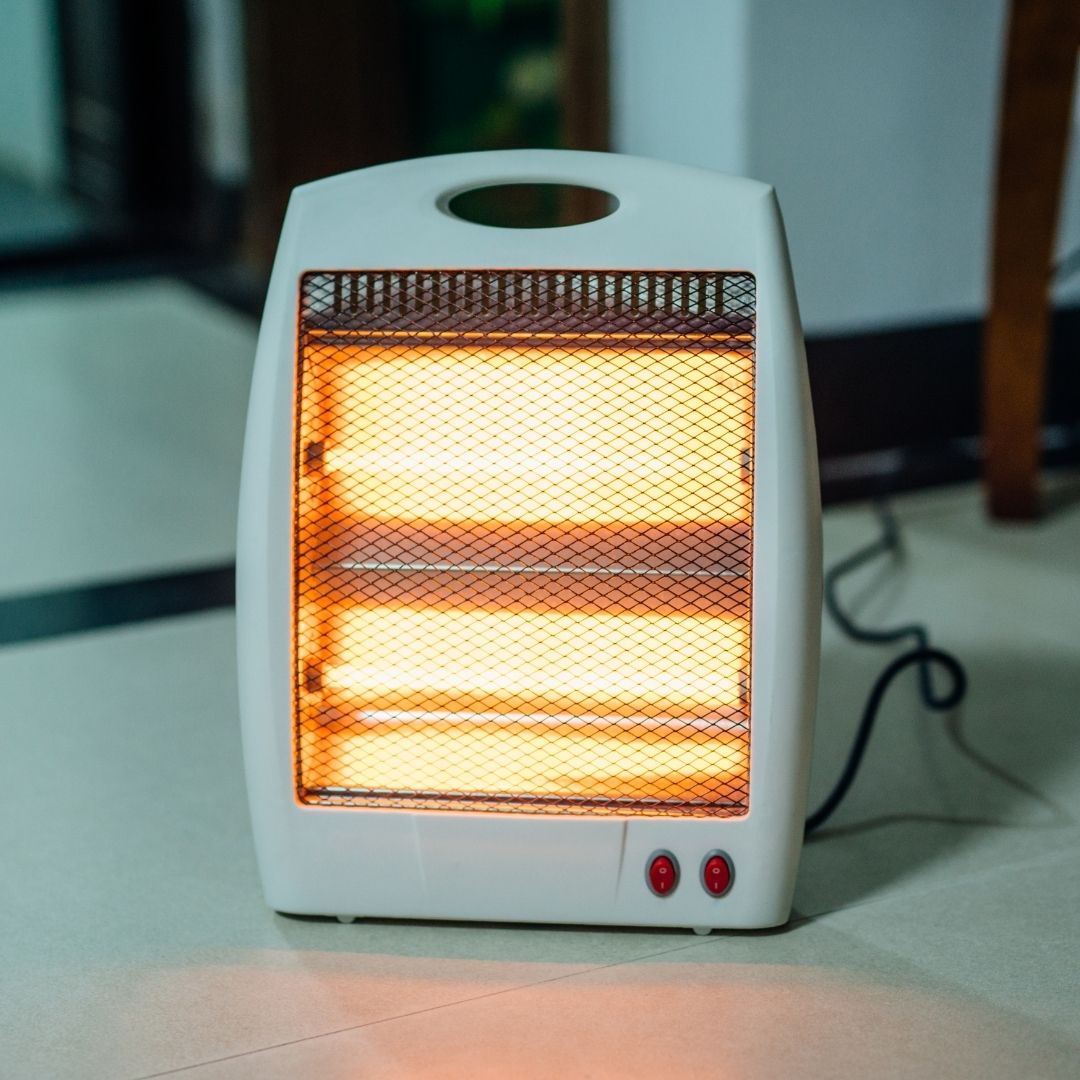
Space heaters:
- Always use certified space heaters and ensure they are placed on flat, nonflammable surfaces.
- Keep them at least 3 feet away from flammable materials, like curtains, furniture and bedding.
- Never leave a space heater unattended.
- Never block an exit with a space heater.
- Plug the heater directly into a wall outlet and never use an extension cord or power strip.
Fireplaces: Have your chimney inspected and cleaned annually. Use a fireplace screen to prevent embers from escaping and never leave a fire burning unattended.
Heating systems: Schedule an annual inspection of your furnace or boiler by a qualified professional. Ensure all vents are clear of debris to prevent carbon monoxide buildup. It’s important to never use the kitchen oven or gas range to heat your home or apartment. Such improper use could cause dangerous levels of carbon monoxide to accumulate, causing severe illness or death.
CARBON MONOXIDE AWARENESS
- Install working carbon monoxide alarms on every level of your home, particularly near sleeping areas.
- Never use an oven or stove to heat your home.
- If you use a generator during power outages, place it outdoors and away from doors and windows.
SHOVELING SNOW
Shoveling snow can be physically demanding and could increase the risk of injury or medical emergencies, especially for older adults or those with heart conditions. Take precautions to protect yourself while clearing snow and ice. Here are some tips:
- Warm up with some light stretching before going outside.
- Dress in layers and wear boots with good traction to prevent slips and falls.
- Use a lightweight shovel and push snow instead of lifting whenever possible.
- Take frequent breaks and avoid overexertion.
- Stay hydrated, even in cold weather.
Check on older neighbors or those who may need assistance clearing snow safely. If you feel chest pain, shortness of breath, dizziness or extreme fatigue, stop immediately and call 911 if needed.
CANDLE SAFETY
- Use flameless candles whenever possible. If using traditional candles, keep them in sturdy holders and away from anything that can catch fire.
- Never leave candles burning unattended or within reach of children and pets.
ELECTRIC BLANKETS
- Use only electric blankets that have the Underwriters Laboratories (UL) Mark.
- Replace all electric blankets that are more than 10 years old. (99% of blanket fires have been caused by blankets 10 years or older.)
- Purchase blankets with an automatic safety shut off. (The device will shut off the blanket if the temperature gets too high.)
- Always buy new electric blankets. Second-hand blankets may not be safe.
- Replace any electric blanket that has broken or frayed cords or scorch marks.
- Avoid tucking the electric blanket in at the sides of the bed.
- Avoid placing other blankets or comforters on top of an electric blanket while in use.
- Warm the bed with your electric blanket and turn it off before going to bed.
OTHER SAFETY TIPS AND INFORMATION
In addition, be sure to stock up on winter essentials, including flashlights, batteries, nonperishable food and bottled water. Create a family emergency plan and ensure everyone knows what to do during a fire or severe winter storm. Check on elderly and vulnerable neighbors. Extreme conditions increase the risk of hypothermia and frostbite, especially for older adults, infants and people with chronic health conditions.
Keep fire hydrants clear at all times. Buried hydrants can cause critical delays, increasing the danger and difficulty of fighting a fire. Make sure to clear snow and ice from fire hydrants after storms.
Make sure your smoke and carbon monoxide alarms are working and test them monthly.
By following these safety tips, you can ensure a safe winter season for you and your family.